
Abstract
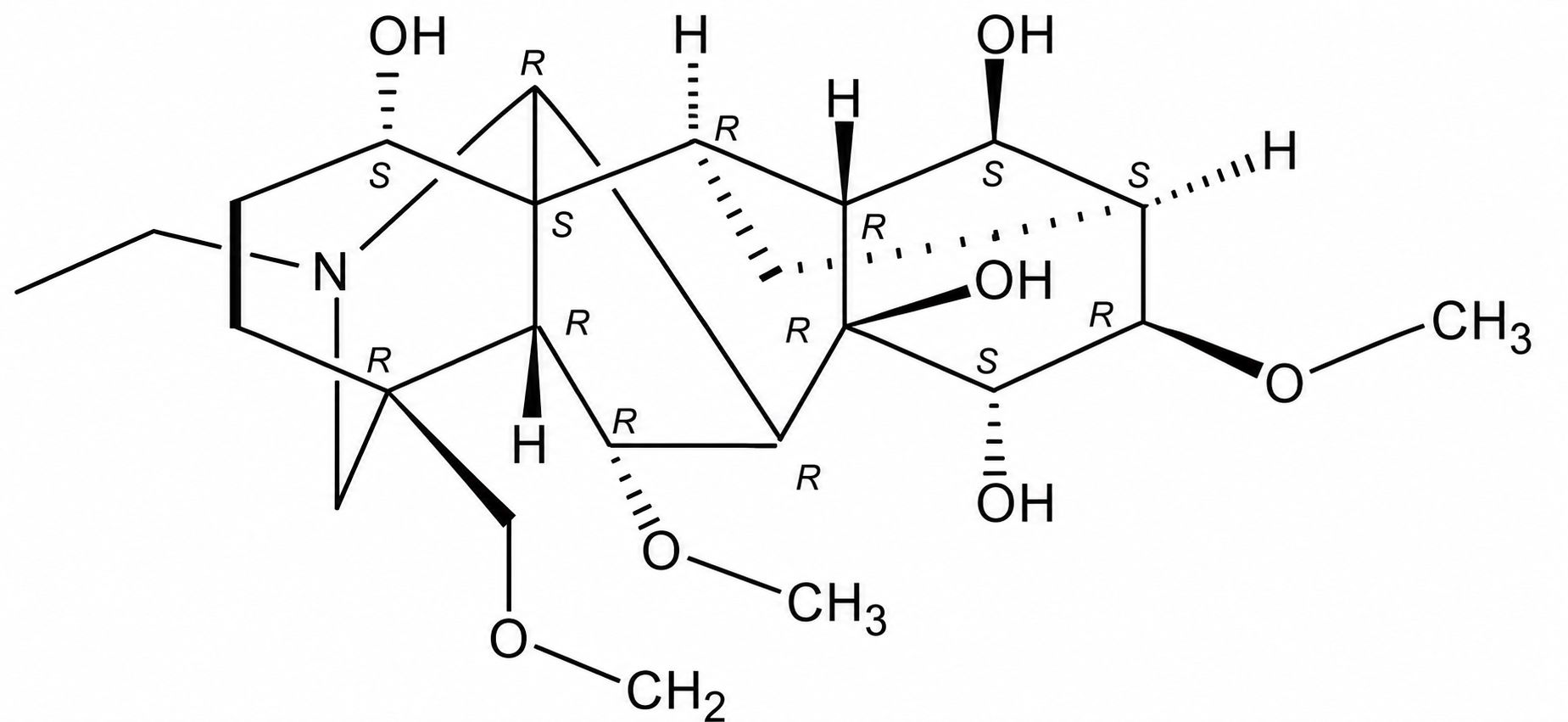
Modifiable and non-modifiable factors play a role in the occurrence of cardiovascular diseases, as well as free radicals. Free radicals are caused by a decrease in the antioxidant level or an increase in the amount of oxidant in the cells. In the studies, it has been suggested that the consumption of vegetables, fruits and foods with high antioxidant content is effective in preventing many diseases, especially phenolic compounds with antioxidant effect prevent diseases. Phenolic compounds are essential compounds for living things and form an important part of antioxidants. Many drugs and antioxidants are being tested for the treatment of cardiac damage. Fuzi (Radix Aconiti Lateralis Preparata), one of these antioxidant substances, is defined as a Chinese herb. It is a derived form of Aconitum carmichaelii Debx. Scientific studies on Fuzi; hypolipidemic activity, kidney protection, cardiotonic activity, immune system improvement, anti-arrhythmia, anti-aging and antineoplastic activity, etc. made for its features. Our aim in this review is to present the cardiovascular, neuropharmacological, antidepressant, anticancer, anti-inflammatory and analgesic effects of fuzi, which has antioxidant properties.
Keywords
Limitations
This review is limited by the availability and heterogeneity of published studies related to fuziline.
Conclusion
According to the information obtained in researches on fuziline, its protective and supportive importance against CVDs, its antiinflammatory, anticancer, analgesic and antidepressant properties come to the fore. Additional research on its biochemical activity and bioactive components is needed to better understand these effects. This review can be a resource for further basic research and clinical applications on fuziline.
Declarations
Ethics Declarations
The authors declare that this manuscript was prepared in accordance with ethical publication standards.
Animal and Human Rights Statement
No human participants or animals were involved in this review article. All cited studies were conducted in accordance with relevant institutional and international ethical standards, including the 1964 Helsinki Declaration and its later amendments or comparable ethical standards where applicable.
Informed Consent
Informed consent was not required because this review article did not include human participants or patient data.
Data Availability
The datasets used and/or analyzed during the current study are not publicly available due to patient privacy reasons but are available from the corresponding author on reasonable request.
Conflict of Interest
The authors declare no conflict of interest related to this study.
Funding
None.
Author Contributions (CRediT Taxonomy)
Conceptualization: Y.H., E.K.E.
Literature Review: Y.H., E.K.E.
Writing – original draft preparation: Y.H.
Writing – review & editing: E.K.E.
Supervision: E.K.E.
AI Usage Disclosure
The authors declare that no artificial intelligence-assisted technologies were used in the preparation of this manuscript.
Abbreviations
ANP: Atrial natriuretic peptide
AST: Aspartate aminotransferase
AWA: Aconite water-soluble alkaloid extract
CK: Creatine kinase
CK-MB: Creatine kinase myocardial band
CVD: Cardiovascular disease
HF: Heart failure
HIF-1: Hypoxia-inducible factor 1
IL-6: Interleukin 6
IL-10: Interleukin 10
ISO: Isoproterenol
LDH: Lactate dehydrogenase
NF-κB: Nuclear factor kappa B
NT-proBNP: N-terminal pro–B-type natriuretic peptide
PI3K/AKT/mTOR: Phosphatidylinositol 3-kinase/protein kinase B/mechanistic target of rapamycin
ROS: Reactive oxygen species
SFI: Shenfu injection
TGF-β: Transforming growth factor beta
TNF-α: Tumor necrosis factor alpha
References
- Tanrıverdi B, Tetik ŞS. Aterosklerozun patofizyolojisi ve risk faktörleri. Marmara Pharm J. 2017;21:1-9.
- Sarrafzadegan N, Gotay C. CVD prevention in 2014: advances in the prevention of cardiovascular disease. Nat Rev Cardiol. 2015;12:71-73. doi:10.1038/nrcardio.2014.209
- Karabulut H, Gülay MŞ. Serbest radikaller. MAKÜ Sag Bil Enst Derg. 2016;4(1):50-59.
- Tsutsui H, Kinugawa S, Matsushima S. Oxidative stress and heart failure. Am J Physiol Heart Circ Physiol. 2011;301(6):H2181-H2190. doi:10.1152/ajpheart.00554.2011
- Yancy CW, Jessup M, Bozkurt B, et al. 2013 ACCF/AHA guideline for the management of heart failure: a report of the American College of Cardiology Foundation/American Heart Association Task Force on Practice Guidelines. J Am Coll Cardiol. 2013;62:e147-e239. doi:10.1016/j.jacc.2013.05.019
- Hensyl WR. Stedman’s Medical Dictionary. 25th ed. Baltimore, MD: Williams & Wilkins; 1990.
- Rivers E, Nguyen B, Havstad S, et al. Early goal-directed therapy in the treatment of severe sepsis and septic shock. N Engl J Med. 2001;345(19):1368-1377. doi:10.1056/nejmoa010307
- Priscilla DH, Prince PSM. Cardioprotective effect of gallic acid on cardiac troponin-T, cardiac marker enzymes, lipid peroxidation products, and antioxidants in experimentally induced myocardial infarction in Wistar rats. Chem Biol Interact. 2009;179:118-124. doi:10.1016/j.cbi.2008.12.012
- Zhang K, Liu Y, Lin X, Yang J, Wu C. Assessment of reproductive toxicity and genotoxicity of Aconiti Lateralis Radix Praeparata and its processed products in male mice. J Ethnopharmacol. 2021;275:114102. doi:10.1016/j.jep.2021.114102
- Gonçalves S, Moreira E, Grosso C, Andrade PB, Valentão P, Romano A. Phenolic profile, antioxidant activity, and enzyme inhibitory activities of extracts from aromatic plants used in Mediterranean diet. J Food Sci Technol. 2017;54(1):219-227. doi:10.1007/s13197-016-2453-z
- Kolaç T, Gürbüz P, Yetiş G. Doğal ürünlerin fenolik içeriği ve antioksidan özellikleri. İnönü Üniv Sağ Hizmetleri MYO Derg. 2017;5(2)
- Rodríguez-Pérez C, Segura-Carretero A, Del Mar Contreras M. Phenolic compounds as natural and multifunctional anti-obesity agents: a review. Crit Rev Food Sci Nutr. 2019;59(8):1212-1229. doi:10.1080/10408398.2017.1399859
- Hannan PA, Khan JA, Ullah I, Ullah S. Synergistic combinatorial antihyperlipidemic study of selected natural antioxidants: modulatory effects on lipid profile and endogenous antioxidants. Lipids Health Dis. 2016;15(1):151. doi:10.1186/s12944-016-0323-3
- Baek SH, Cao L, Jeong JS, Kim HR, Nam JT, Lee GS. The comparison of total phenolics, total antioxidant, and anti-tyrosinase activities of Korean Sargassum. J Food Qual. 2021;2021:17454557. doi:10.1155/2021/6640789
- Maleki SJ, Crespo JF, Cabanillas B. Anti-inflammatory effects of flavonoids. Food Chem. 2019;299:125124. doi:10.1016/j.foodchem.2019.125124
- Pietta PG. Flavonoids as antioxidants. J Nat Prod. 2000;63(7):1035-1042. doi:10.1021/np9904509
- Comunian TA, Ravanfar R, de Castro IA, Dando R, Favaro-Trindade CS, Abbaspourrad A. Improving oxidative stability of echium oil emulsions fabricated by microfluidics: effect of ionic gelation and phenolic compounds. Food Chem. 2017;233:125-134. doi:10.1016/j.foodchem.2017.04.085
- Wu JJ, Guo ZZ, Zhu YF, et al. A systematic review of pharmacokinetic studies on herbal drug Fuzi: implications for Fuzi as personalized medicine. Phytomedicine. 2018;44:187-203. doi:10.1016/j.phymed.2018.03.001
- Xiao P, Wang F, Gao F, Yan L, Chen D, Liu Y. A pharmacophylogenetic study of Aconitum L. (Ranunculaceae) from China. Acta Phytotaxon Sin. 2006;44(1):1-46. doi:10.1360/aps050046
- Chinese Pharmacopoeia Commission. Pharmacopoeia of the People’s Republic of China. Beijing: People’s Medical Publishing House; 2010:177-178
- Zhou G, Tang L, Zhou X, Wang T, Kou Z, Wang Z. A review on phytochemistry and pharmacological activities of the processed lateral root of Aconitum carmichaelii Debeaux. J Ethnopharmacol. 2015;160:173-193. doi:10.1016/j.jep.2014.11.043
- Sun J, Zhang F, Peng Y, et al. Quantitative determination of diterpenoid alkaloid fuziline by hydrophilic interaction liquid chromatography-electrospray ionization mass spectrometry and its application to pharmacokinetic study in rats. J Chromatogr B Analyt Technol Biomed Life Sci. 2013;913-914:55-60. doi:10.1016/j.jchromb.2012.11.017
- Wang BB, Wang JL, Yuan J, et al. Composition analysis of Fuzi polysaccharides by HPLC-MS(n) and their protective effects on Schwann cells exposed to high glucose. Molecules. 2016;21(11):1496. doi:10.3390/molecules21111496
- Farahani MS, Bahramsoltani R, Farzaei MH, Abdollahi M, Rahimi R. Plant-derived natural medicines for the management of depression: an overview of mechanisms of action. Rev Neurosci. 2015;26(3):305-321. doi:10.1515/revneuro-2014-0058
- Nyirimigabo E, Xu Y, Li Y, Wang Y, Agyemang K, Zhang Y. A review on phytochemistry, pharmacology, and toxicology studies of Aconitum. J Pharm Pharmacol. 2015;67(1):1-19. doi:10.1111/jphp.12310
- Ren MY, Yu QT, Shi CY, Luo JB. Anticancer activities of C18-, C19-, C20-, and bis-diterpenoid alkaloids derived from genus Aconitum. Molecules. 2017;22(2):267. doi:10.3390/molecules22020267
- Zhao D, Shi Y, Zhu X, et al. Identification of potential biomarkers from Aconitum carmichaelii, a traditional Chinese medicine, using a metabolomic approach. Planta Med. 2018;84(6-07):434-441. doi:10.1055/s-0043-121708
- Liu L, Li B, Zhou Y, et al. Antidepressant-like effect of Fuzi total alkaloid on ovariectomized mice. J Pharmacol Sci. 2012;120(4):280-287. doi:10.1254/jphs.12163fp
- Wang L, Ding JY, Liu XX, Tang MH, Chao RB, Wang FP. Identification of aminoalcohol-diterpenoid alkaloids in Aconiti Lateralis Radix praeparata and study of their cardiac effects. Yao Xue Xue Bao. 2014;49(12):1699-1704.
- Xu X, Xie X, Zhang H, et al. Water-soluble alkaloids extracted from Aconiti Radix lateralis praeparata protect against chronic heart failure in rats via a calcium signaling pathway. Biomed Pharmacother. 2021;135:111184. doi:10.1016/j.biopha.2020.111184
- Zhang XJ, Song L, Zhou ZG, Wang XM. Effect of Shenfu injection on gastrointestinal microcirculation in rabbits after myocardial ischemia-reperfusion injury. World J Gastroenterol. 2006;12(27):4389-4391. doi:10.3748/wjg.v12.i27.4389
- Fan CL, Yao ZH, Ye MN, et al. Fuziline alleviates isoproterenol-induced myocardial injury by inhibiting ROS-triggered endoplasmic reticulum stress via PERK/eIF2α/ATF4/CHOP pathway. J Cell Mol Med. 2020;24(2):1332-1344. doi:10.1111/jcmm.14803
- Storch A, Kaftan A, Burkhardt K, Schwarz J. 1-Methyl-6,7-dihydroxy-1,2,3,4-tetrahydroisoquinoline (salsolinol) is toxic to dopaminergic neuroblastoma SH-SY5Y cells via impairment of cellular energy metabolism. Brain Res. 2000;855(1):67-75. doi:10.1016/s0006-8993(99)02272-6
- Lu CY, Ding ML, Cai SH, Xie H, Zhang W, Di LQ. Analysis of alkaloids in Aconiti Lateralis Radix Praeparata and prediction of their mechanism in the treatment of cancer. J Nanjing Univ Tradit Chin Med. 2021;37(5):720-729.
- Zhang Q, Chen X, Luo Y, Ren H, Qiao T. Fuzi enhances anti-tumor efficacy of radiotherapy on lung cancer. J Cancer. 2017;8(19):3945-3951. doi:10.7150/jca.22162
- Li P, Lv B, Jiang X, et al. Identification of NF-κB inhibitors following Shenfu injection and bioactivity-integrated UPLC/Q-TOF-MS and screening for related anti-inflammatory targets in vitro and in silico. J Ethnopharmacol. 2016;194:658-667. doi:10.1016/j.jep.2016.10.052
- Gong XH, Li Y, Li YX, et al. Development and validation of an UPLC-Q-TOF-MS method for quantification of fuziline in beagle dog after intragastric and intravenous administration. J Chromatogr Sci. 2016;54(3):405-412
Figures
Additional Information
Publisher’s Note
Bayrakol MP remains neutral with regard to jurisdictional and institutional claims.
Rights and Permissions

This work is licensed under a Creative Commons Attribution-NonCommercial 4.0 International License (CC BY-NC 4.0). To view a copy of the license, visit https://creativecommons.org/licenses/by-nc/4.0/
About This Article
How to Cite This Article
Yasemin Hacanlı, Ezhar Korkmaz Ersöz. Role of fuziline in ameliorating cardiac damage. Eu Clin Anal Med 2026;10(3):31-33. doi:10.4328/ECAM.10041
- Received:
- 22.09.2022
- Accepted:
- 11.10.2022
- Published Online:
- 11.10.2022
- Printed:
- 01.09.2022