Laparoscopic colorectal surgery outcomes in our first 65 case comparing with literature
Laparoscopic colorectal surgery outcomes
Authors
Abstract
AimLaparoscopic colorectal surgery has become widely performed in many centers today. We planned to present the first 65 cases in our clinic.
Methods
Sixty-five patients who underwent laparoscopic colorectal surgery between September 2014 and March 2018 were retrospectively reviewed. Cases returning open surgery despite laparoscopic onset were excluded from the study. Demographic data, operative types, duration, tumor stages were recorded.
Results
65 cases were included, 39 were male (60%), 26 were female (40%), mean age was 63.2 (40-81). Low anterior resection (LAR) in 20 cases (%30.7), anterior resection (AR) in 19 cases (29,2%), right colectomy in 18 cases (27,6%), abdomino-perineal resection (APR) in 5 cases (7,7%), colloanal anastomosis in 2 cases, total colectomy in 1 case (1.6%) were performed. It have been showed anastomotic leakage in 3 cases (4,6%), wound infection in 10 cases (15.3%), 3 patient incisional hernia (4,6%), ureter injury in a patient (1.5%) and urethra injury in a patient (1.5%). There was no mortality.
Conclusion
Although our experience with laparoscopic colorectal surgery is compatible with the literature and is not yet gold standard, we think that it gives better results than open surgery due to its advantages.
Keywords
Introduction
Laparoscopic surgery for colorectal surgery was first reported in the 1990’s, and port site metastasis rates were reported as high as 21% in literature.1 Many surgeons were afraid of laparoscopic surgery due to high metastasis rate. But laparoscopic colorectal surgery has begun to spread rapidly because of developing techniques, surgical techniques and methods after 1992.2 Currently, laparoscopic colorectal surgery is not accepted as the standard surgical technique. But because of many advantages, it is preferred instead of open surgery in many centers.3,4 Some of these advantages are low incidence of hospitalization, and early mobilization in the postoperative period.4 Oncologically, neither of the two methods has been found superior to another. However, there are authors who argue that minimally invasive surgery and robotic surgery would be more appropriate, considering that the narrow pelvis will force oncologic principles in rectum surgery. In this study, we aimed to share the first 65 laparoscopic colorectal cases making in our clinic.
Materials and Methods
Cases that underwent laparoscopic colorectal surgery between September 2014 and March 2018 in the Adnan Menderes University Faculty of Medicine, Department of General Surgery were included in the study. Medical records were retrospectively reviewed. Demographic characteristics and diagnoses of the patients, localization, diameter and stage of the tumor, type and duration of surgery, number of the lymph nodes removed, duration of hospital stay, time to start on liquid diet, time to start on regular diet, and the complications were recorded. The cases, in which the procedure was started as laparoscopic surgery but then switched to the open surgery, were excluded. All patients were informed about the surgical procedure and the potential complications and their written consents were obtained. All patients received liquid diet one day prior to the surgery and underwent appropriate intestinal cleaning together with prophylactic antibiotic and prophylaxis for deep venous thrombosis. All procedures were performed by the same surgical team. Pneumoperitoneum was established using carbon dioxide at an insufflation pressure of 12- 14 mmHg. The number of trocars and the insertion sites varied depending on the procedure (Figure 1, Figure 2). Extra corporal anastomosis was performed in the right colectomy in the first cases, and the wound guard was placed in the colectomy with a 4-5 cm incision above and below the navel.
Specimen was taken out of the abdomen and the anastomosis was made out with stapler. The anastomosis was completed by closing the stapler gap again with the stapler. In later cases intra-corporal anastomosis was performed and specimen was taken out of the abdomen with a wound guard from 4-5 cm of phanaleinstein incision. For the left colon and rectum surgeries, 4-5 cm phannelstein incision was made and the specimen was removed through this incision site. Subsequently, anvil was placed into the proximal loop and anastomosis was performed inside. In a 5 cases of abdomino-perineal resection (APR), the specimens were removed through the anal canal. Total colectomy was performed in a case with familial adenomatous polyposis coli and the specimen was removed through the phannelstein incision. Protective loop ileostomy was performed in the cases with tumor located in the lower rectum than 8 cm and with the risk of anastomosis. In the cases applying colo-anal anastomosis, after the specimen was mobilized inside the abdomen by laparoscopy, and then it was taken out from anus then (Figure 3) and intersphincteric anastomosis was performed in the anal region (Figure 4). Liquid diet was given to the patients on the postoperative at 1th or 2th day depending on the patient’s general status and safety of anastomosis. On the following days, the diet was gradually increased based on gas and stool passage; the patients were discharged from the hospital with healing; and early complications were recorded. Drain, nasogastric probe and foley catheter were routinely placed.
Statistical AnalysisSPSS 20 (IBM Corp. Released 2011. IBM SPSS Statistics for Windows, Version 20.0. Armonk, NY: IBM Corp.) statistical package program was used for data analysis. Variables were presented as mean ± standard deviation, median (minimum-maximum), percentage and frequency.
Results
A total of 65 cases were included in the study, 39 of which were male (60%) and 26 were female (40%). The mean age was 63.2 (40-81). Low anterior resection (LAR) (%37.7) in 20 cases, anterior resection (AR) (29.2%) in 19 cases, right colostomy (27.6%) in 18 cases, abdomino-perineal resection of (7.7%) in 5 cases, colo-anal anastomosis in 2 cases, and total colectomy (1.6%) in a case were performed. Fifty seven cases were malignant (87.6%), 5 cases were inflammatory bowel disease (7.7%) and 3 cases were polyp.4,5 According to the TNM classification of 57 patients who were operated on for malignancy, 13 were stage 1 (22.8%), 14 were stage 2 (24.5%), 29 were stage 3 (50.8% and stage 4 (1.9%). The mean number of disrupted lymph nodes was 16.75 (8-34). The mean tumor size was 4.53 cm (2.22-8.25).
The mean duration of operation was calculated as 148.55 minutes (90-300 minutes) while the mean hospital stay was calculated as 6.87 (3-30) days. Wound infections in 10 cases (15.3%), incisional hernia in 3 cases (4.6%), anastomotic leakage in 3 cases, ureter injury in 1 case, (1.5%), urethra injury in a case (% 1,5) were developed. The stoma was opened for the cases that were anastomotic leakage, were closed after 6 months. The ureter was repaired by urol ogy team with ureteral double-J catheter and nephrostomy in cases with ureter injury. Cystostomy was applied to the urethra injury, and repairs were planned following the 6th month. There was no mortality in any patient. In patients who developed anastomotic leakage, while discharge was planned in remission phase of the septic event, cardiac arrest developed and it was transferred to reanimation unit because of hypoxic cerebral syndrome (Table 1).
Discussion
Laparoscopy has become a good alternative to open surgery in colorectal surgery, as in many areas of the surgery.6 Although Laparoscopy compared to open surgery has many advantages over in colorectal surgery, complications rates are reported ranging from 1.5 to 36% in different articles.5,7 The experience of the surgeon and the center, the type of tumor, and the location and size of the malignancy are very important in terms of complication risk rate.4 In our first 65 cases, our complication rates were similar with literature. Wind et al.8 reported an anastomotic leakage rate of 20%. To our study, first two cases applying right colectomy, anastomotic leakage (approximately 5%) was observed. In the first cases, the anastomosis have been done extra corporeally by stapler outside the abdomen. Then as increase our experiences, these sutures were made in double layers and intracorporally inside the abdomen. Since last 30 cases, the right colon leakage has not been seen once again. Another anastomotic leakage has been raised from colo-anal anastomosis of the case that is anal canal tumor which was given radiotherapy.
Radiotherapy is the leading factor causing anastomotic leakage.9
In the case, the anastomosis developed within 10 days despite the ileostomy, and the process was well managed. Unknown cardiac arrest and hypoxic brain developed in the patient caused throughout 3 months of hospitalization occurred.We wanted to ask ourselves the following question by taking lessons from these complications. “The pelvis is an innocent localization for laparoscopy or not?” The rectum is a distressed area for narrow placement in terms of laparoscopy and oncologic principles. Jayne et al10 compared robotic and laparoscopic methods for resectable rectal cancers and while they did not found different, they indicated low returning rate to open surgery from robotic surgery. In addition Kamali et al.11 reported that robotic surgeons were technically superior to laparoscopic surgery when comparing robotic and laparoscopic surgery in rectal cancer. Because oncological worse outcomes and more sexual and urinary complications, there are authors who give up laparoscopic surgery for middle and lower rectum tumors.12,13
We also experienced that the laparoscopic surgeon was not comfortable in the middle and lower rectum, especially in tumors more below than 8th cm, but the APR could easily be done. The most important advantages of laparoscopic surgery are less intestinal disfunction, low infection rate, low hernia rate, short hospitalization time and lower cost. Other advantages of laparoscopic colorectal surgery are less traumatic, less effect on the immune system. In our study, we also see similar rates compared to rates of literature. In addition, we think that laparoscopic colorectal surgery effects more better the immune system functions and the rates of infection are lower, shortening the length of adjuvant treatment onset, We think that laparoscopic colorectal surgery also is more advantage in terms of anesthesia, because of offering quality pain treatment and directly transferring to service from the recovery unit and no need invasive monitoring due to shorting the duration ofthe surgery.
In conclusion, laparoscopic colorectal surgery is an advanced laparoscopic surgery and it is a safe procedure that can be performed in experienced centers. We think that there are many advantages of a laparoscopic surgery in terms of oncological superiority compared to open surgery.
Declarations
Animal and Human Rights Statement
This study was conducted in accordance with institutional ethical standards and the principles of the Declaration of Helsinki.
Informed Consent
Written informed consent was obtained from all patients before surgery.
Conflict of Interest
The authors declare no conflicts of interest.
Funding
None.
Scientific Responsibility Statement
The authors are responsible for the conception and design of the study, data collection, analysis and interpretation of data, drafting and critical revision of the manuscript, and approval of the final version.
References
-
Yoo J. Laparoscopic colorectal surgery. Perm J. 2008;12(1):27-31. doi:10.7812/tpp/07-075
-
Veldkamp R, Kuhry E, Hop WC, et al; Colon Cancer Laparoscopic or Open Resection Study Group (COLOR). Laparoscopic surgery versus open surgery for colon cancer: short-term outcomes of a randomized trial. Lancet Oncol. 2005;6:477-484. doi:10.1016/s1470-2045(05)70221-7
-
Akgün E, Ersin S. Laparoscopic surgery for rectosigmoidal carcinoma: preliminary results. Ege Tıp Derg. 2004;43:181-185.
-
Yılmaz EM, Cartı EB, Kandemir A. Our experience of laparoscopic colorectal surgery: short-term outcomes. Turk J Colorectal Dis. 2016;26:108-112.
-
Curet MJ, Putrakul K, Pitcher DE, Jossloff RK, Zucker KA. Laparoscopically assisted colon resection for colon carcinoma: perioperative results and long-term outcome. Surg Endosc. 2000;14:1062-1066. doi:10.1007/s004640000092
-
Pascual M, Salvans S, Pera M. Laparoscopic colorectal surgery: current status and implementation of the latest technological innovations. World J Gastroenterol. 2016;22(2):704-717. doi:10.3748/wjg.v22.i2.704
-
Nelson H, Sargent DJ, Wieand HS, et al; Clinical Outcomes of Surgical Therapy Study Group. A comparison of laparoscopically assisted and open colectomy for colon cancer. N Engl J Med. 2004;350:2050-2059. doi:10.1056/nejmoa032651
-
Wind J, Koopman AG, van Berge Henegouwen MI, Slors JF, Gouma DJ, Bemelman WA. Laparoscopic reintervention for anastomotic leakage after primary laparoscopic colorectal surgery. Br J Surg. 2007;94(12):1562-1566. doi:10.1002/bjs.5892
-
Borstlap WA, Westerduin E, Aukema TS, Bemelman WA, Tanis PJ; Dutch Snapshot Research Group. Anastomotic leakage and chronic presacral sinus formation after low anterior resection: results from a large cross-sectional study. Ann Surg. 2017;266:870-877. doi:10.1097/sla.0000000000002429
-
Jayne D, Pigazzi A, Marshall H, et al. Effect of robotic-assisted vs conventional laparoscopic surgery on risk of conversion to open laparotomy among patients undergoing resection for rectal cancer: the ROLARR randomized clinical trial. JAMA. 2017;318:1569-1580. doi:10.1001/jama.2017.7219
-
Kamali D, Reddy A, Imam S, et al. Short-term surgical outcomes and patient quality of life between robotic and laparoscopic extralevator abdominoperineal excision for adenocarcinoma of the rectum. Ann R Coll Surg Engl. 2017;99:607-613. doi:10.1308/rcsann.2017.0093
-
Zhang H, Yuan W, Zhou Q, Gu X, Wang F. Efficacy comparison of robotic and laparoscopic radical surgery in the treatment of middle-low rectal cancer. Zhonghua Wei Chang Wai Ke Za Zhi. 2017;20:540-544.
-
Law WL, Foo DC. Comparison of short-term and oncologic outcomes of robotic and laparoscopic resection for mid- and distal rectal cancer. Surg Endosc. 2017;31:2798-2807. doi:10.1007/s00464-016-5289-8
Figures

Figure 1. Right colectomy trocar
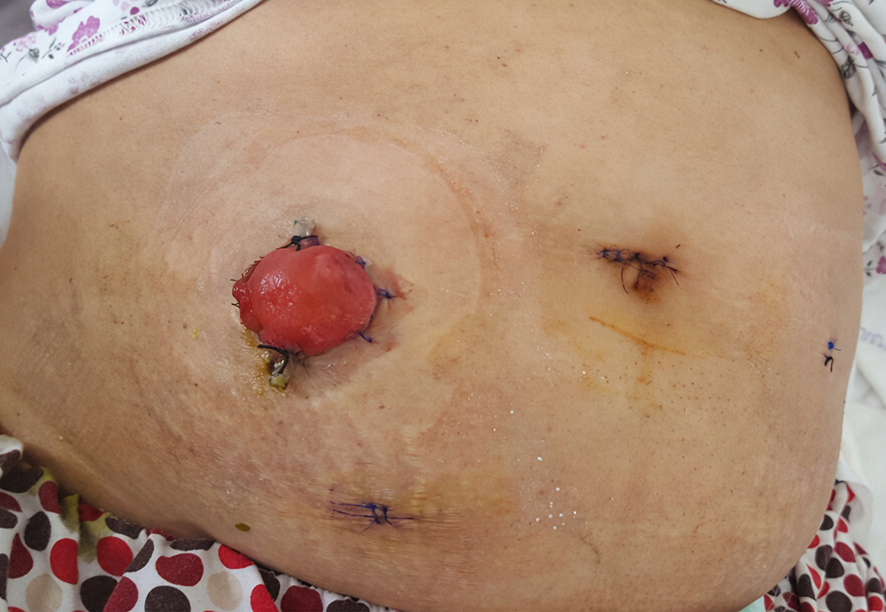
Figure 2. Low anterior resection
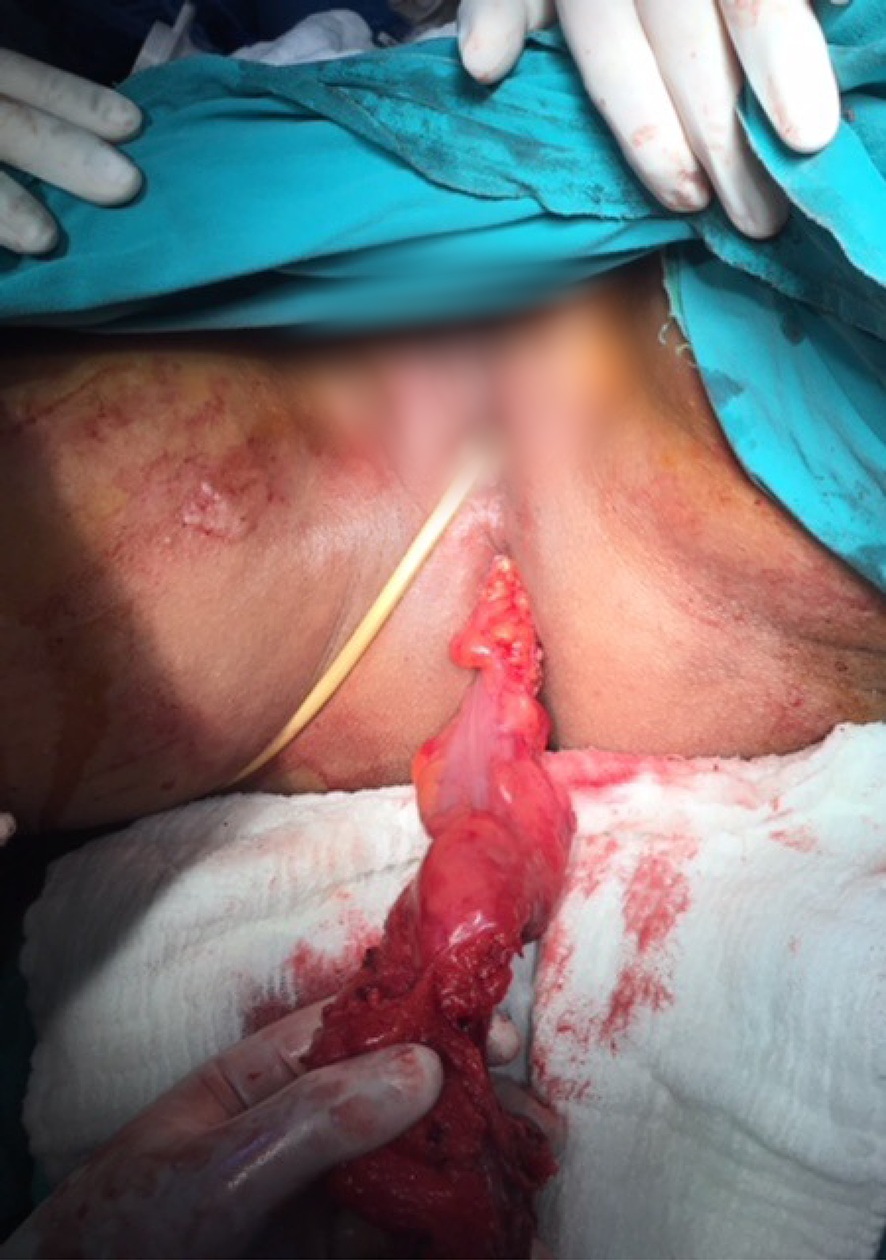
Figure 3. Colo-anal anastomosis specimen
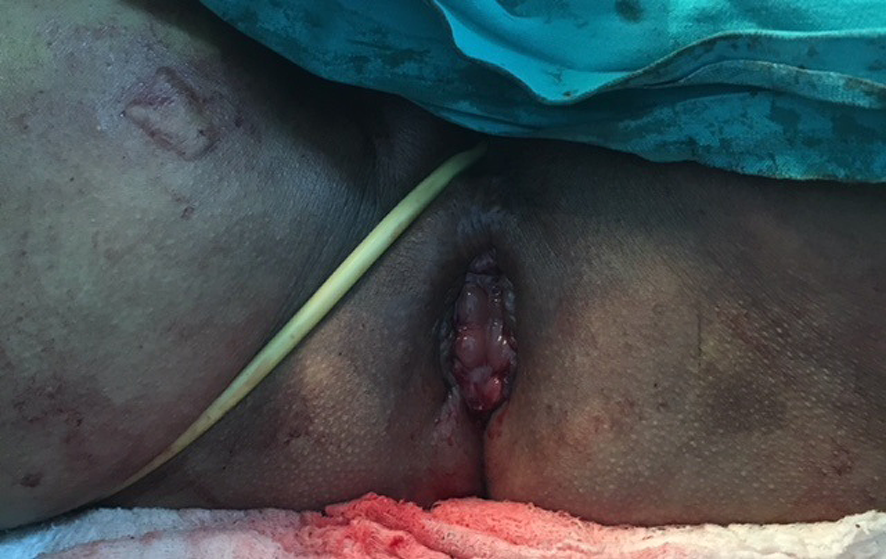
Figure 4. Colo-anal anastomosis (intersphincteric)
Tables
Table 1

Additional Information
Publisher’s Note
Bayrakol MP remains neutral with regard to jurisdictional and institutional claims.
Rights and Permissions

This work is licensed under a Creative Commons Attribution-NonCommercial 4.0 International License (CC BY-NC 4.0). To view a copy of the license, visit https://creativecommons.org/licenses/by-nc/4.0/
About This Article
How to Cite This Article
Eyüp Murat Yılmaz, Varlik Kamil Erel. Laparoscopic colorectal surgery outcomes in our first 65 case comparing with literature. Eu Clin Anal Med 2018;6(2):14-17. doi:10.4328/ECAM.126
- Received:
- March 27, 2018
- Accepted:
- March 27, 2018
- Published Online:
- April 2, 2018
- Printed:
- May 1, 2018