Correlation of oral hygiene habits, smoking and nutritional habitswith halitosis
Oral hygiene habits, nutritional habits and halitosis
Authors
Abstract
AimThe aim of this study is to assess the correlation between oral hygiene habits and nutritional habits in patients with halitosis.
MethodsFifty subjects with a complaint of halitosis and fifty subjects with a normal otorhinolaryngologic examination completed the study. A self-administered questionnaire was used to assess the prevalence of oral hygiene habits, including teeth brushing, toothbrush changing periods, flossing, tongue cleaning, use of mouthwash, and smoking habits. To assess the nutritional habits of the subjects, a food consumption frequency questionnaire was used.
ResultsThe patients with halitosis were brushing their teeth, changing their toothbrushes, using dental floss, cleaning their tongues, and using mouthwash more rarely than the control group. Additionally, 82% of the halitosis group and 52% of the control group were smokers; this difference was statistically significant. The halitosis group consumed milk and milk products, meat and meat products, tea and carbonated drinks, pickles, spices, and ketchup more frequently.
ConclusionOral hygiene habits and nutritional habits may play a role in the occurrence of bad breath. Therefore, we are of the opinion that the improvement of oral hygiene habits and the elimination of "risky" nourishments may be the first step of the treatment period.
Keywords
Introduction
Halitosis is the general term used to describe any unpleasant odor in expired air. Other names used for this condition are fetor oris, bad breath, breath malodor, and oral malodor.1
There are several causes of bad breath. This embarrassing odor may originate from oral or non-oral sources. Non-oral sources of breath odor are generally related to systemic problems—such as diabetes, liver and kidney disorders, and pulmonary disease—and/or medications that reduce salivary flow, such as antidepressants, antipsychotics, narcotics, decongestants, antihistamines, and antihypertensive drugs.2,3,4
Non-oral conditions and medications can contribute to bad breath, but the main source of most halitosis is the oral cavity. Volatile sulfur compounds (VSCs) are the predominant organic components that lead to halitosis. These VSCs are produced by the bacterial putrefaction of gram-negative anaerobic bacteria, particularly those residing on the posterior dorsum of the tongue, which utilize sulfur-containing amino acids, primarily cysteine and methionine. Other organic components such as organic acids, indole/skatole, putrescine, and cadaverine may also be involved in the production of halitosis.4,5
Oral conditions such as tooth decay, gingivitis, periodontal disease, aphthous stomatitis, and poor oral hygiene have been shown to contribute to bad breath.2,3,6
Previously, nutritional habits that may contribute to bad breath have not drawn significant attention. As there is limited data about the oral hygiene habits of patients with a complaint of halitosis, this study aimed to assess the oral hygiene habits of these patients. Additionally, we aimed to determine any correlation between nutritional habits and halitosis.
Materials and Methods
Study DesignThis questionnaire-based study was conducted at Mustafa Kemal University between January 2014 and June 2014. Ethics committee approval was obtained, and the study was conducted adhering to the Declaration of Helsinki. Informed consent was obtained from all participants.
Study Population and Progress of the StudyPatients who were referred to the otorhinolaryngology department with a complaint of halitosis, were between the ages of 20 and 60 years, and were able to complete the study were evaluated with a detailed history and otorhinolaryngologic examination. The exclusion criteria were: any oral, dental, or periodontal condition; any previous systemic disease; and the use of any medication leading to bad breath. Patients with idiopathic halitosis were included in the study. The control group consisted of healthy subjects with a normal otorhinolaryngologic examination.
Assessment of Oral Hygiene and Nutritional HabitsA self-administered questionnaire was used to assess the prevalence of oral hygiene habits, including teeth brushing, toothbrush changing periods, flossing, tongue cleaning, use of mouthwash, and smoking habits. To assess the nutritional habits of the subjects, a food consumption frequency questionnaire was used. The food consumption frequency questionnaire is the most common criterion for nutritional evaluation in epidemiological studies and has a standard form translated into Turkish.7 In this questionnaire, nourishments were evaluated in nine main groups:
1- Milk and milk products( full fat milk, half fat milk, full fat yoghurt, half fat yoghurt, full fat cheese, half fat cheese, skimmed cheese, butter milk)
2- Meat and meat products(fatty beef, lean beef, fatty mutton, lean mutton, chicken, turkey, fish, meat products, sweetbread)
3-Egg(whole egg, egg yolks, egg white, quail eggs)
4-Legume and oily pits(legume, walnut, hazelnut, peanut, pistachio nut, seed)
5-Bread and other grains(white bread, brown bread, white flat bread, brown flat bread, whole wheat bread, rye bread, macaroni, rice, cracked wheat, pastry , biscuits, cake)
6-Vegetables and fruits(green vegetables, yellow vegetables, potato, tomato, other vegetables, citrus fruits, summer fruits, dried fruits)
7-Oil(olive oil, canola oil, hazelnut oil, vegetable oil, margarine, butter, tail fat)
8-Sugar and desserts( sugar, desserts, honey, jam, sesame paste, molasses, chocolate)
9-Other(olive, tea, turkish coffee, instant coffee, alcohol beverages, fruit juices, fizzdrinks, turnip, pickles, spices, ketchup, mayonnaise)
The subjects were asked how often they consumed these nine main groups and subgroups of nourishments. The options were: every meal, twice a day, once a day, once a week, two or three times a week, four days a week, five or six days a week, two or three times a month, once a month, and never.
Statistical MethodsThe SPSS statistical software package (SPSS, version 19.0 for Windows; SPSS Inc., Chicago, IL) was used to perform all statistical calculations. The adequacy of all parameters for normal distribution was tested using the Kolmogorov-Smirnov test. Parametric tests were applied to values with a normal distribution; nonparametric tests were used for those without a normal distribution. The Chi-square test was used to compare categorical parameters between the groups. An independent-samples t-test was used for the statistical comparison of data matching a normal distribution, and the Mann-Whitney U test was applied to compare data without a normal distribution between the groups. Differences were considered statistically significant at p \leq 0.05.
Results
A total of 100 subjects (45 men and 55 women) with a mean age of 39.31 \pm 10.25 (age range 20–60 years) completed the study. The study group consisted of 50 subjects with a complaint of halitosis, whereas the control group consisted of 50 subjects with a normal otorhinolaryngologic examination. The demographic properties and personal variables of the groups are summarized in Table 1. The groups were similar in terms of age, sex, and BMI (p=0.467, p=0.843, and p=0.904, respectively).Toothbrushing habits and toothbrush changing periods for the halitosis group and the control group are summarized in Table 2 and Table 3. The subjects in the halitosis group brushed their teeth more rarely than those in the control group (p=0.006). The results for the toothbrush changing period were also significantly different between the groups; subjects in the halitosis group changed their toothbrushes more rarely than the control group (p=0.004).Only 18% of subjects in the halitosis group used dental floss, compared to 48% in the control group. Furthermore, 4% of subjects in the halitosis group claimed to clean their tongues, whereas the rate was 20% for the control group. Mouthwash was used by 20% of subjects in the halitosis group, while 48% used it in the control group. The differences were statistically significant in terms of dental floss use, tongue cleaning, and mouthwash use (p=0.01, p=0.14, and p=0.03, respectively) (Figures 1, 2, 3).In the halitosis group, 82% of subjects smoked, compared to 52% in the control group. This difference was statistically significant (p=0.001) (Figure 4).The analysis of the correlation between nutritional habits and halitosis revealed no statistically significant differences for eggs, legumes, hazelnuts, peanuts, pistachio nuts, seeds, walnuts, bread and other grains, vegetables and fruits, oil, sugar and desserts, olives, Turkish coffee, instant coffee, alcoholic beverages, fruit juices, or turnip juice (p \geq 0.05). On the other hand, the halitosis group consumed milk and milk products (p=0.013), meat and meat products (p=0.010), tea (p=0.0001), carbonated drinks (p=0.0001), pickles (p=0.001), spices (p=0.001), and ketchup (p=0.034) more frequently.
Discussion
Halitosis is not only a medical problem but also a social handicap for an individual. A recent study of United States dentists reported that chronic bad breath was diagnosed by 41% of dentists in a single week.8 Halitosis is a common condition, and identifying the actual cause of bad breath can be difficult.
The unpleasant odor originates from the oral cavity in 85% of patients with halitosis.9 Oral malodor may be the result of a lack of oral hygiene—including brushing, use of mouthwashes, and flossing—and lifestyle habits, such as smoking or the consumption of certain foods and drinks.10,11 In a study involving dental students, it was suggested that students who brushed their teeth at least twice daily, changed their brush within three months, cleaned their tongue regularly, and used a mouthwash had a lower prevalence of halitosis compared to those who did not follow such oral hygiene practices. The results of other studies have been in agreement with these findings.12,13
Consistent with the literature, in our study, patients with halitosis were brushing their teeth, changing their toothbrushes, using dental floss, cleaning their tongues, and using mouthwash more rarely than the control group.
Smoking has been defined as an oral source of halitosis.13 Tobacco smoke contains volatile sulfur compounds (VSCs), which are responsible for the oral malodor in people who smoke; it also predisposes individuals to hyposalivation and periodontal diseases.2 In our study, 82% of the halitosis group and 52% of the control group were smokers. The difference was statistically significant.
The consumption of odorous foods and drinks—such as garlic, onion, durian, spices, cabbage, cauliflower, and radish—has been reported as a cause of oral malodor in previous studies.10 Studies regarding the role of tea and coffee in oral malodor reported an association between drinking tea or coffee and a reduction in certain oral microorganisms.14 Additionally, alcohol intake may predict oral malodor.15 In our study, the halitosis group consumed milk and milk products, meat and meat products, tea and carbonated drinks, pickles, spices, and ketchup more frequently. The elimination of these foods and drinks may be the first step in the prevention of halitosis.
Limitations
The limitation of our study is the small sample size. We believe that studies with a larger number of subjects and more detailed investigations will be further beneficial.
Conclusion
It can be concluded from our study that oral hygiene habits and nutritional habits may play a role in the occurrence of bad breath. Therefore, we are of the opinion that the improvement of oral hygiene habits and the elimination of risky nourishments may be the first step in the treatment period.
Declarations
Animal and Human Rights Statement
All procedures performed in this study were in accordance with the ethical standards of the institutional and/or national research committee and with the 1964 Helsinki Declaration and its later amendments.
Informed Consent
Informed consent was obtained from all participants.
Data Availability
The datasets used and/or analyzed during the current study are not publicly available due to patient privacy reasons but are available from the corresponding author on reasonable request.
Conflict of Interest
The authors declare no conflicts of interest.
Funding
None.
Scientific Responsibility Statement
The authors declare that they are responsible for the scientific content of the article, including the study design, data collection, analysis and interpretation, manuscript preparation, and approval of the final version of the manuscript.
References
-
Tangerman A. Halitosis in medicine: a review. Int Dent J. 2002;52(3):201-206. doi:10.1002/j.1875-595x.2002.tb00925.x
-
Scully C, Greenman J. Halitology (breath odour: aetiopathogenesis and management). Oral Dis. 2012;18(4):333-345. doi:10.1111/j.1601-0825.2011.01890.x
-
Yaegaki K, Coil JM. Examination, classification, and treatment of halitosis: clinical perspectives. J Can Dent Assoc. 2000;66(5):257-261.
-
Tanaka M, Yamamoto Y, Kuboniwa M, et al. Contribution of periodontal pathogens on tongue dorsa analyzed with real-time PCR to oral malodor. Microbes Infect. 2004;6(12):1078-1083. doi:10.1016/j.micinf.2004.05.021
-
Krespi YP, Shrime MG, Kacker A. The relationship between oral malodor and volatile sulfur compound–producing bacteria. Otolaryngol Head Neck Surg. 2006;135(5):671-676. doi:10.1016/j.otohns.2005.09.036
-
Tsai CC, Chou HH, Wu TL, et al. The levels of volatile sulfur compounds in mouth air from patients with chronic periodontitis. J Periodontal Res. 2008;43(2):186-193. doi:10.1111/j.1600-0765.2007.01011.x
-
Erdoğan FG, Çakır GA, Gürler A, Elhan A. Oral aftların beslenme ve bazı kişisel değişkenlerle ilişkisinin değerlendirilmesi. Turkderm. 2009;43(3):107-111.
-
Löesche WJ. The effects of antimicrobial mouth rinses on oral malodor and their status relative to US Food and Drug Administration regulations. Quintessence Int. 1999;30(5):311-318.
-
Eldarrat AH. Influence of oral health and lifestyle on oral malodour. Int Dent J. 2011;61(1):47-51. doi:10.1111/j.1875-595x.2011.00010.x
-
Suarez F, Springfield J, Furne J, Levitt M. Differentiation of mouth versus gut as site of origin of odoriferous breath gases after garlic ingestion. Am J Physiol. 1999;276(2):425-430. doi:10.1152/ajpgi.1999.276.2.g425
-
Pratibha PK, Bhat KM, Bhat GS. Oral malodor: a review of the literature. J Dent Hyg. 2006;80(3):8.
-
Almas K, Al-Hawish K, Al-Khamis W. Oral hygiene practices, smoking habits, and self-perceived oral malodor among dental students. J Contemp Dent Pract. 2003;4(4):77-90. doi:10.5005/jcdp-4-4-77
-
Al-Atrooshi BA, Al-Rawi AS. Oral halitosis and oral hygiene practices among dental students. J Bagh Coll Dent. 2007;19(1):72-76.
-
Signoretto C, Burlacchini G, Bianchi F, Cavalleri G, Canepari P. Differences in microbiological composition of saliva and dental plaque in subjects with different drinking habits. New Microbiol. 2006;29(4):293-302.
-
Rosenberg M, Knaan T, Cohen D. Association among bad breath, body mass index, and alcohol intake. J Dent Res. 2007;86(10):997-1000. doi:10.1177/154405910708601015
Figures
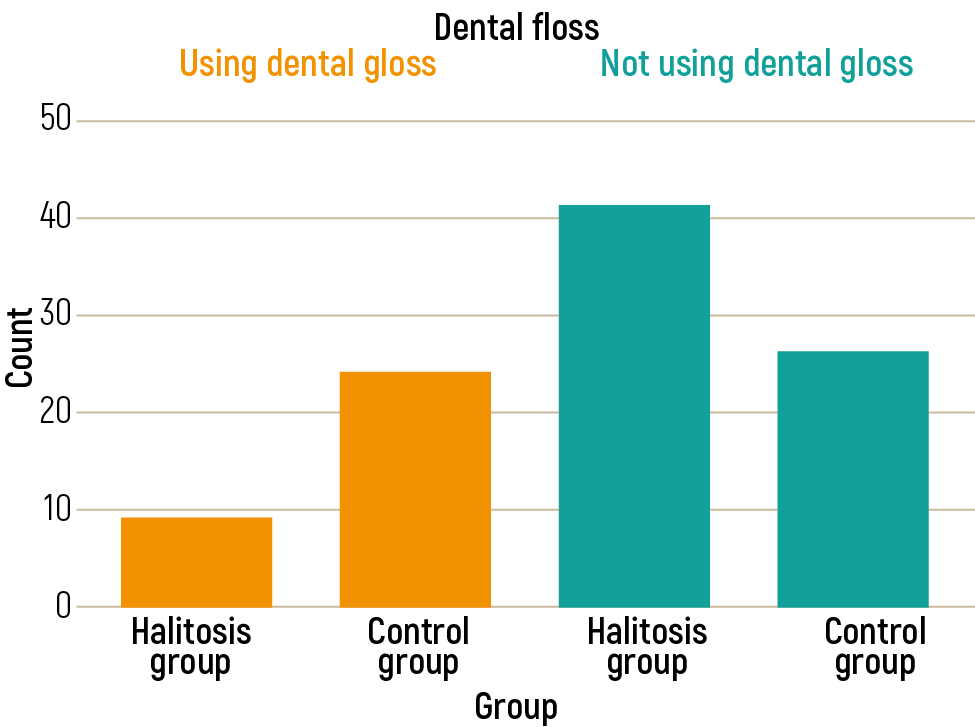
Figure 1. Dental floss use habits of halitosis group and control group
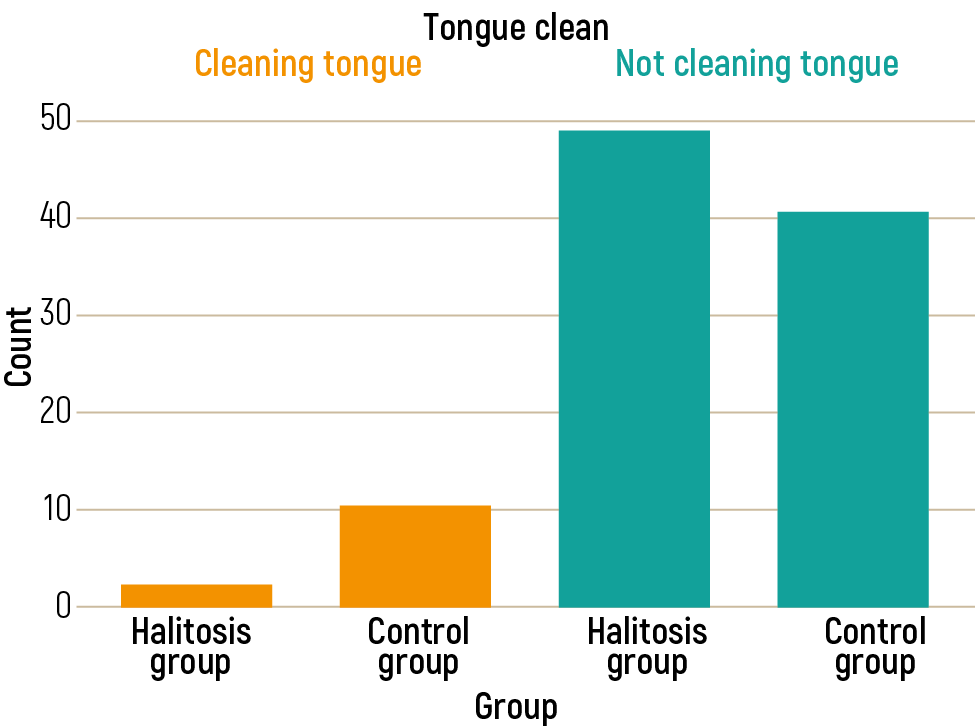
Figure 2. Tongue cleaning habits of halitosis group and control group
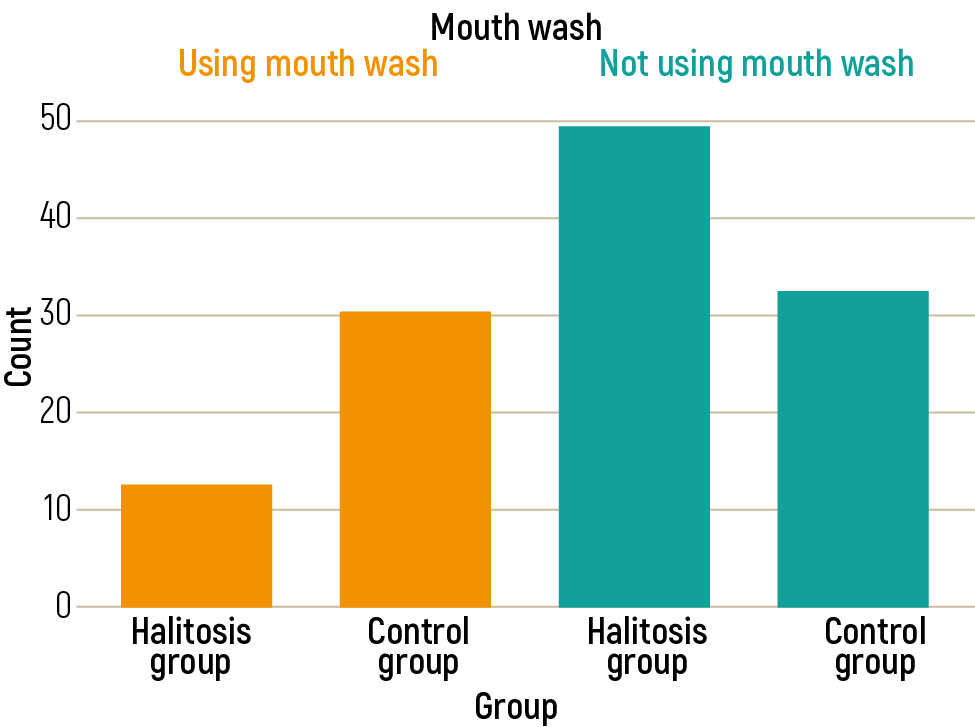
Figure 3. Mouthwash use habits of halitosis group and control group
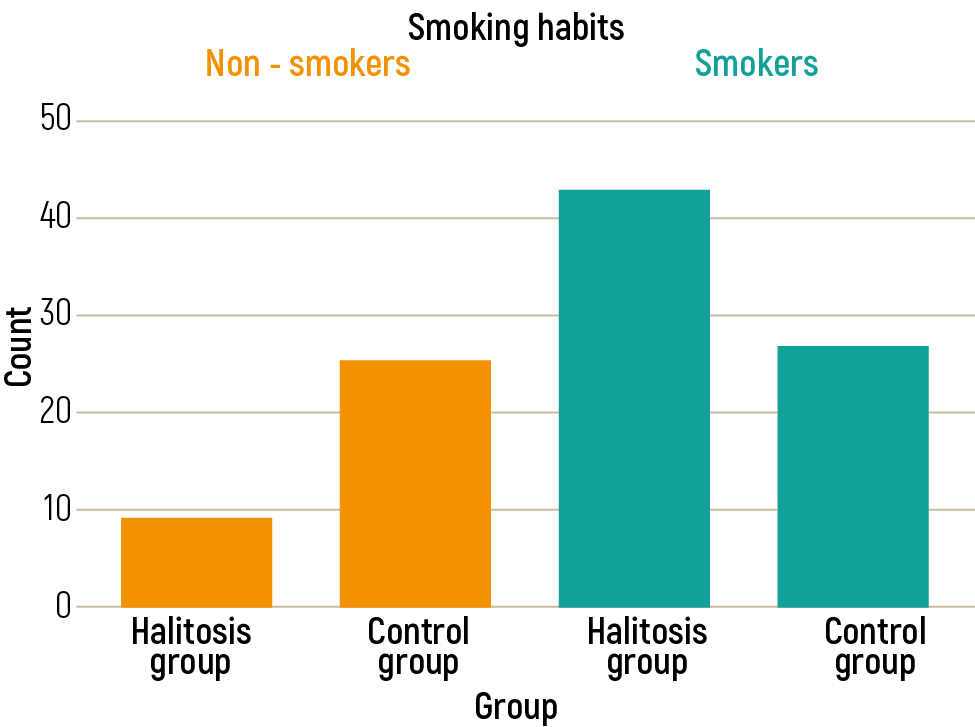
Figure 4. Smoking habits of halitosis and control group
Tables
Table 1. Demographic properties and personal variables of the groups

Table 2. Teeth brush habits of halitosis group and control group
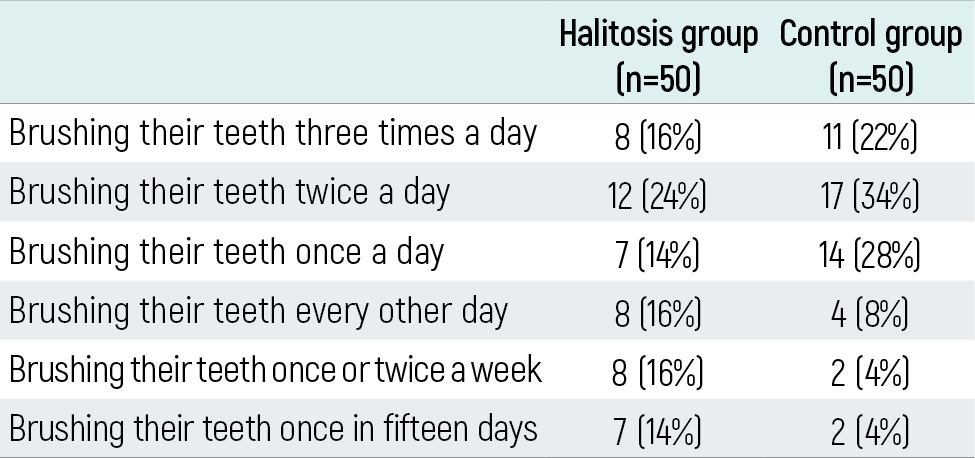
Table 3. Tooth brush changing period of halitosis group and control group

Additional Information
Publisher’s Note
Bayrakol MP remains neutral with regard to jurisdictional and institutional claims.
Rights and Permissions

This work is licensed under a Creative Commons Attribution-NonCommercial 4.0 International License (CC BY-NC 4.0). To view a copy of the license, visit https://creativecommons.org/licenses/by-nc/4.0/
About This Article
How to Cite This Article
Gül Soylu Özler, Ertap Akoğlu. Correlation of Oral Hygiene Habits, Smoking and Nutritional Habits with Halitosis. Eu Clin Anal Med 2014;2(2): 8-11
- Received:
- August 11, 2014
- Accepted:
- September 4, 2014
- Published Online:
- September 4, 2014
- Printed:
- September 4, 2014