Work conditions and quality of life of physicians in Türkiye with burnout, job and life satisfaction, and workplace violence
Burnout, satisfaction, and violence in MDs
Authors
Abstract
AimsThis study aims to comprehensively examine the relationship between workplace violence and physicians’ burnout (emotional exhaustion, desensitization, and personal accomplishment), job satisfaction, and life satisfaction, considering sociodemographic characteristics and utilizing validated Turkish versions of the relevant scales, in order to better understand physicians’ occupational and psychological well-being in Türkiye.
MethodsThis cross-sectional survey study included 135 physicians working in Mardin, Türkiye. Data were collected using the Maslach Burnout Inventory (MBI), including the subscales of emotional exhaustion, desensitization, and personal accomplishment; a job satisfaction scale; a life satisfaction scale; and a workplace violence scale. All Turkish-adapted scales were administered using a 5-point Likert-type format. Data were analyzed using SPSS version 26.0.
ResultsOur burnout subscales' Cronbach's α coefficients (internal consistency) were 0.949 for emotional exhaustion, 0.868 for desensitization, and 0.803 for personal accomplishment. The job satisfaction scale had 0.847 Cronbach's α, the life satisfaction scale 0.896, and the workplace violence scale 0.640.
ConclusionThe scales demonstrated generally acceptable internal consistency. Hospital administrations and healthcare management should prioritize reforms to reduce burnout, improve job and life satisfaction, and prevent workplace violence.
Keywords
Introduction
Burnout was first described by Freudenberger in 1974 and is characterized by diminished physical, mental, and emotional energy resulting from chronic occupational stress, particularly among healthcare professionals. According to Maslach and Jackson’s model, burnout consists of three dimensions: emotional exhaustion, desensitization (depersonalization), and reduced personal accomplishment. Emotional exhaustion refers to the depletion of emotional resources; desensitization involves negative and distant attitudes toward patients; and reduced personal accomplishment reflects a decreased sense of professional competence and achievement.1,2
Life satisfaction is a key component of a meaningful and fulfilling life.3 Job satisfaction, one of the most studied constructs in work psychology, shapes employee attitudes and organizational effectiveness.4 There is a strong interaction between job and life satisfaction, as satisfaction at work directly influences overall quality of life; therefore, modern organizations develop policies to enhance job satisfaction in order to improve overall well-being.5
Hospital workplace violence is defined as instances in which medical staff members are the targets of physical attacks, threats, or verbal abuse, all of which have a detrimental effect on their health, safety, and general well-being. Especially in Asia and North America, hospital-related workplace violence has become quite common.6,7
Although workplace violence, burnout, job satisfaction, work atmosphere, and perceived stress have been widely studied, their interrelationships remain unclear. Therefore, this study aimed to examine these associations using validated Turkish versions of established scales among physicians working in Mardin, Türkiye.
Materials and Methods
ParticipantsThis study was conducted between January 2024 and June 2025 using online and face-to-face data collection methods. This cross-sectional study included a total of 135 physicians working in various healthcare institutions in Mardin province, Türkiye. In Figure 1, the location of Mardin province is shown. The survey was conducted in three sections: Sociodemographic characteristics (13 questions), general information (10 questions), and scales: 1 = Maslach Burnout Inventory, (MBI) emotional exhaustion 9 items, desensitization 5 items, personal accomplishment 8 items; 2 = Job Satisfaction Scale 5 items; 3 = Life Satisfaction Scale 5 items Dağlı and Baysal and the Workplace Violence Scale were applied as 3 items.1,3,8,9,10 Validated Turkish versions of all scales were used, and all items were rated on a 5-point Likert scale ranging from 1 (strongly disagree) to 5 (strongly agree).
Ethical ApprovalThe study was approved by the Ethics Committee of Mardin Artuklu University Non-Interventional Clinical Research Ethics Committee (Date: 05.03.2024, Decision No: 2024/3-34).
Statistical AnalysisData were analyzed using SPSS 26.0. Normality was assessed by skewness and kurtosis (−1 to +1 accepted as normal). Independent t-test and ANOVA were used for group comparisons. Descriptive statistics were expressed as frequency, percentage, mean, and standard deviation. A p-value<0.05 was considered statistically significant.
Reporting GuidelinesThe study was reported in accordance with the STROBE guidelines.
Results
Of the 135 physicians, 33.3% were female and 66.7% male, with a mean age of 36.74 ± 7.49 years. Most were married (57%), and half were specialists (50.4%). Professional experience was distributed across all categories, with 31.9% having 1–5 years and 20.7% more than 15 years of experience. Approximately one-third had worked in Mardin for more than five years (32.6%). Significant associations were found between age and personal accomplishment, title and desensitization, and salary and emotional exhaustion (p < 0.05), whereas no other sociodemographic variables were significantly related to the burnout scale (p>0.05) (Supplementary Table 1).
General life characteristics are presented in detailed data, which is provided in Supplementary Table 2. While 83.7% of physicians chose their profession voluntarily, only 50% would choose medicine again. The rate of planning to go abroad was 38.8%. Regarding health and lifestyle, 25.2% reported having a disease, 25.9% used medication regularly, 9.6% used antidepressants, 27.4% smoked, 14.8% engaged in regular artistic activities, and 35.6% exercised regularly. Additionally, 52.6% would recommend working in Mardin, 74.8% owned a car, 53.3% owned a house, 57.8% had loan debt, and 84.8% worked in the public sector.
MBI was translated into Turkish and adapted for physicians under three subdimensions (emotional exhaustion, desensitization, and personal accomplishment). As shown in the detailed data provided in Supplementary Table 3, emotional exhaustion included nine items, including the question "I feel exhausted when I finish the day at the hospital/workplace," with a Cronbach α value of 0.949, indicating high internal consistency. The personal accomplishment subscale consisted of eight items, with the highest mean score observed for the question "I have accomplished many significant things in medicine" and a Cronbach α value of 0.803. The desensitization subscale included five items, among which the question "I really don't care what happens to some patients" received a high score, with a Cronbach α value of 0.868.
Job Satisfaction Scale mean scores ranged from 2.67 to 3.30 across five items, with high internal consistency (Cronbach α = 0.847). The highest score was for “I do my job with passion” (3.30 ± 1.12), followed by “I find my job unappealing” (2.88 ± 1.23) (The negatively worded item (“I find my job unappealing”) was reverse-coded during analysis), “Time is going well at work” (2.74 ± 1.01), and “I am very satisfied with my current job” (2.68 ± 1.14). The lowest score was observed for “I find happiness in my work” (2.67 ± 1.18).
Life Satisfaction Scale mean scores ranged from 1.04 to 2.87, with the highest score for “I’m satisfied with my life” (2.87 ± 1.13), followed by “My living conditions meet my ideals in many ways” (2.46 ± 1.11) and “I have everything I want in my life” (2.41 ± 1.21). Lower scores were observed for “If I could live it again, I wouldn’t change a thing” (2.07 ± 1.14), and the lowest for “My living conditions are perfect” (1.04 ± 1.12). Internal consistency was high (Cronbach’s α = 0.896).
Workplace Violence Scale mean scores ranged from 2.27 to 3.56, with verbal abuse highest (3.56 ± 1.35), followed by psychological violence (3.36 ± 1.38), and physical violence lowest (2.27 ± 1.28). Internal consistency was moderate (Cronbach’s α = 0.640).
Correlation analyses showed weak but significant positive associations between emotional exhaustion and verbal violence (r = 0.273, p=0.01) and psychological violence (r = 0.288, p=0.001), with no significant link to physical violence (Figure 2). Personal accomplishment was not associated with any type of violence. Desensitization was also not significantly related to violence, although psychological violence showed a borderline association (r = 0.166, p=0.055).
Heatmap showing Pearson correlation coefficients (r) between types of violence (verbal, physical, psychological) and burnout subdimensions (emotional exhaustion, personal accomplishment, desensitization). Values inside the cells represent correlation coefficients. Statistically significant correlations are indicated with an asterisk (*p<0.05).
Discussion
In this study of 135 physicians (66.7% male; mean age 36.74 ± 7.49 years), burnout did not differ by gender, marital status, professional experience, or years working in Mardin. Personal accomplishment was higher among physicians over 50, while desensitization was more pronounced among general practitioners. Education level was associated with desensitization and personal accomplishment, and lower income was linked to higher emotional exhaustion. These findings indicate that age, professional position, and income may influence burnout dimensions. Although most participants chose medicine voluntarily, nearly half would not choose the profession again, suggesting ambivalence about long-term professional satisfaction.
Mean scores indicated high emotional exhaustion and desensitization among physicians. Similar findings in Türkiye report increased burnout in high-shift units and in the presence of workplace violence.11,12 Although gender has been identified as an important factor in some studies,13 no significant association was found in our sample. Evidence from China suggests that reducing workplace violence and improving working conditions decreases burnout.14 These results underscore the need to enhance working conditions and psychosocial support to mitigate physician burnout.
The Job Satisfaction Scale demonstrated high reliability, with findings indicating a moderate level of job satisfaction. The highest mean score was observed for "I do my job with pleasure," whereas overall satisfaction items were lower. These results are consistent with previous studies supporting the validity and reliability of the Turkish short form of the scale.10,15 Mobbing has also been identified as a significant factor associated with reduced job satisfaction.16,17 Life satisfaction levels were generally low. Although "I am satisfied with my life" received the highest score, particularly low ratings for "My living conditions are perfect" may reflect the challenging socio-economic conditions in Mardin. This finding aligns with studies reporting decreased life satisfaction among healthcare workers exposed to mobbing.17 Moreover, managerial and institutional interventions have been emphasized as necessary to improve job satisfaction in healthcare settings.18 Consistent with Keser’s findings, job satisfaction was higher than life satisfaction in this study.5
Physicians reported the highest exposure to verbal violence, followed by psychological violence, with physical violence being the least frequent. These findings suggest greater exposure to non-physical forms of violence. The scale showed moderate internal consistency, and frequent verbal and psychological violence may adversely affect burnout, job satisfaction, and mental health.
These findings are consistent with the literature. A study in Sivas reported that 58% of physicians experienced violence, predominantly psychological/verbal.19 Studies from China emphasized the widespread nature of verbal violence and insufficient institutional support.20,21,22,23 Similarly, research in Istanbul showed that exposure to violence was associated with higher emotional exhaustion, increased suicidal ideation, and lower job satisfaction.24
Significant positive correlations were found between verbal and psychological violence and emotional exhaustion, whereas physical violence was not associated. A borderline relationship was observed between psychological violence and desensitization, and no association was found with personal accomplishment. These findings align with the literature, indicating that verbal and psychological violence contribute to burnout and may negatively affect job motivation and organizational commitment.17,21,24
Limitations
The relatively small sample size, single-center design, and cross-sectional nature of the study limit the generalizability of the findings and preclude causal interpretations. In addition, the use of self-report measures may introduce response bias.
Conclusion
This study evaluated burnout, job satisfaction, life satisfaction, and exposure to workplace violence among physicians, focusing on the relationship between workplace violence and burnout. Although physicians reported enjoying their work, overall job satisfaction was moderate, and life satisfaction was low, particularly regarding perceived living conditions. Verbal and psychological violence were the most common forms of exposure and were significantly associated with emotional exhaustion. These findings underscore the need for system-level strategies to address workplace violence in healthcare settings.
The Cronbach α values of the burnout, job satisfaction, and life satisfaction scales used in the study were found to be above 0.80; this indicates that the Turkish versions of the scales are reliable and applicable. The Cronbach’s α value of the workplace violence scale was 0.640, indicating moderate internal consistency.
Declarations
Ethics Declarations
This study was approved by the Ethics Committee of Mardin Artuklu University Non-Interventional Clinical Research Ethics Committee. The study was conducted in accordance with the principles of the Declaration of Helsinki.
Animal and Human Rights Statement
All procedures performed in this study were in accordance with the ethical standards of the institutional and/or national research committee and with the 1964 Helsinki Declaration and its later amendments or comparable ethical standards.
Informed Consent
Informed consent was obtained from all participants prior to participation in the study.
Data Availability
The datasets used and/or analyzed during the current study are not publicly available due to patient privacy reasons but are available from the corresponding author on reasonable request.
Conflict of Interest
The authors declare that there is no conflict of interest.
Funding
None.
Author Contributions (CRediT Taxonomy)
Conceptualization: M.C.Y.
Methodology: M.C.Y.
Formal Analysis: A.Ç., F.T., S.E., S.A.
Investigation: A.Ç., F.T., S.E., S.A.
Resources: A.Ç., F.T., S.E., S.A.
Data Curation: A.Ç., F.T., S.E., S.A.
Writing – Original Draft Preparation: M.C.Y., A.Ç., F.T., S.E., S.A.
Writing – Review & Editing: M.C.Y., A.Ç., F.T., S.E., S.A.
Scientific Responsibility Statement
The authors declare that they are responsible for the article’s scientific content, including study design, data collection, analysis and interpretation, writing, and some of the main line, or all of the preparation and scientific review of the contents, and approval of the final version of the article.
Abbreviations
ANOVA: analysis of variance
MBI: Maslach Burnout Inventory
MDs: medical doctors
SD: standard deviation
SPSS: statistical package for the social sciences
STROBE: strengthening the reporting of observational studies in epidemiology
References
-
Maslach C, Jackson SE. The measurement of experienced burnout. J Organ Behav. 1981;2(2):99-113. doi:10.1002/job.4030020205
-
Guseva IG, Marca SC, Dell’Oro F, et al. Harmonized definition of occupational burnout: a systematic review, semantic analysis, and Delphi consensus in 29 countries. Scand J Work Environ Health. 2021;47(2):95-107.
-
Dağlı A, Baysal N. Adaptation of the satisfaction with life scale into Turkish: the study of validity and reliability. Electron J Soc Sci. 2016;15(59):1250-1262.
-
Judge TA, Zhang SC, Glerum DR. Job satisfaction. In: Sessa VI, Bowling NA, eds. Essentials of Job Attitudes and Other Workplace Psychological Constructs. Routledge/Taylor & Francis Group; 2021:207-241.
-
Keser A. İş doyumu ve yaşam doyumu ilişkisi: otomotiv sektöründe bir uygulama [The relationship between job satisfaction and life satisfaction: an application in the automotive sector]. Çalışma ve Toplum. 2005;4(7):77-96. doi:10.4026/1303-2860.2005.0015.x
-
Duan X, Ni X, Shi L, et al. The impact of workplace violence on job satisfaction, job burnout, and turnover intention: the mediating role of social support. Health Qual Life Outcomes. 2019;17(1):93. doi:10.1186/s12955-019-1164-3
-
Zhang S, Zhao Z, Zhang H, et al. Workplace violence against healthcare workers during the COVID-19 pandemic: a systematic review and meta-analysis. Environ Sci Pollut Res Int. 2023;30(30):74838-74852. doi:10.1007/s11356-023-27317-2
-
Brayfield AH, Rothe HF. An index of job satisfaction. J Appl Psychol. 1951;35(5):307-311. doi:10.1037/h0055617
-
Aytaç S, Bozkurt V, Bayram N, Bilgel N. Violence against health workers at a university hospital in Turkey. J World Univ Forum. 2009;2(3):35-52.
-
Keser A, Bilir BÖ. Turkish reliability and validity study of job satisfaction scale. Kirklareli Univ J Soc Sci. 2019;3(3):229-239.
-
Kayğusuz ÖR, Demirer M. Bir üniversite hastanesindeki araştırma görevlisi doktorların mobbinge maruz kalma algıları ve tükenmişlik düzeylerinin değerlendirilmesi [Evaluation of research assistant doctors’ perceptions of exposure to mobbing and burnout levels at a university hospital]. KSU Med J. 2024;19(1):77-84. doi:10.17517/ksutfd.1195269
-
Aman-Ullah A, Ali A, Ariza-Montes A, et al. Nexus of workplace incivility, workplace violence and turnover intentions: a mediation study through job burnout. Kybernetes. 2024;53(12):5061-5080.
-
Yaman H, Ungan M. Tükenmişlik: aile hekimliği asistan hekimleri üzerine bir inceleme [Burnout: a study on family medicine residents]. Türk Psikol Derg. 2002;17(49):37-44.
-
Hu Y, Zhang S, Zhai J, et al. Relationship between workplace violence, job satisfaction, and burnout among healthcare workers in mobile cabin hospitals in China: effects of perceived stress and work environment. Prev Med Rep. 2024;40:102667. doi:10.1016/j.pmedr.2024.102667
-
Başol O, Çömlekçi MF. İş tatmini ölçeğinin uyarlanması: geçerlik ve güvenirlik çalışması [Adaptation of the job satisfaction scale: validity and reliability study]. Kırklareli Üniv SBMYO Derg. 2020;1(2):17-31.
-
İnaltekin A, Yağcı İ. Sağlık çalışanlarının ruh sağlığı, intihar düşüncesi, mobbinge maruziyet ve iş doyumu: bir ikinci basamak hastane örneklemi [Mental health, suicidal ideation, exposure to mobbing and job satisfaction of healthcare workers: a secondary healthcare hospital sample]. Osmangazi Tıp Derg. 2024;46(6):869-877. doi:10.20515/otd.1456153
-
Fatmawati LF, Siregar KN. Workplace bullying among doctors in residency training: a scoping review. BKM Public Health Community Med. 2024;40(11):e16895. doi:10.22146/bkm.v40i11.16895
-
Çelen Ü, Piyal B, Karaodul G, Demir M. Ankara onkoloji eğitim hastanesinde çalışanların iş doyumu [Job satisfaction of health care workers of Ankara oncology training hospital]. Hacettepe Sağlık İdaresi Derg. 2004;7(3):295-318.
-
Akgül G, Yıldırım A, Beyaztaş FY. Evaluation of violence against physicians: Sivas province example. Bull Leg Med. 2024;29(2):188-198. doi:10.17986/blm.1694
-
Lafta RK, Falah N. Violence against health-care workers in a conflict affected city. Med Confl Surviv. 2019;35(1):65-79. doi:10.1080/13623699.2018.1540095
-
Copeland D, Henry M. Workplace violence and perceptions of safety among emergency department staff members: experiences, expectations, tolerance, reporting, and recommendations. J Trauma Nurs. 2017;24(2):65-77. doi:10.1097/jtn.0000000000000269
-
Cao Y, Gao L, Fan L, et al. Effects of verbal violence on job satisfaction, work engagement and the mediating role of emotional exhaustion among healthcare workers: a cross-sectional survey conducted in Chinese tertiary public hospitals. BMJ Open. 2023;13(3):e065918. doi:10.1136/bmjopen-2022-065918
-
Abbas RA, Selim SF. Workplace violence: a survey of diagnostic radiographers in Ismailia governorate hospitals, Egypt. J Am Sci. 2011;7(6):1049-1058.
-
Usluogullari FH, Yurtsever NT. Evaluation of workplace violence against physicians and its effects on them. Bull Leg Med. 2023;28(2):135-145.
Figures
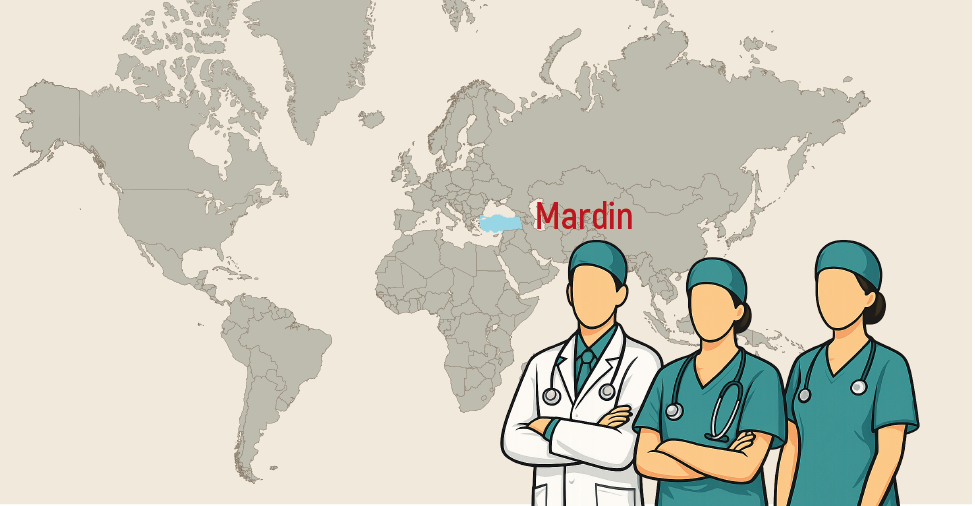
Figure 1. Visual representation of Mardin provinceby video quality

Figure 2. Correlation between types of workplace violence and burnout subdimensions among healthcare workers
Additional Information
Publisher’s Note
Bayrakol MP remains neutral with regard to jurisdictional and institutional claims.
Rights and Permissions

This work is licensed under a Creative Commons Attribution-NonCommercial 4.0 International License (CC BY-NC 4.0). To view a copy of the license, visit https://creativecommons.org/licenses/by-nc/4.0/
About This Article
How to Cite This Article
Mehmet Cihan Yavaş, Abdullah Çakır, Ferhat Toprak, Sümeyya Erginyürek, Siya Altuner. Work conditions and quality of life of physicians in Türkiye with burnout, job and life satisfaction, and workplace violence. Eu Clin Anal Med 2026;14(2):30-33. doi:10.4328/ECAM.25002
- Received:
- February 9, 2026
- Accepted:
- April 19, 2026
- Published Online:
- April 21, 2026
- Printed:
- May 1, 2026